
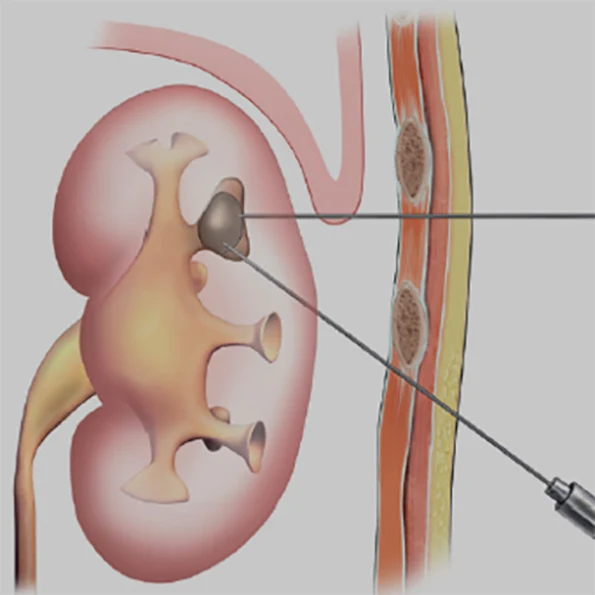
1. Surgery Overview
TUL (Transurethral Lithotripsy) is a minimally invasive procedure used to treat stones located in the ureter or bladder. A thin tube called a ureteroscope is inserted through the urethra and bladder into the ureter to locate the stone. Once visualized, the stone is fragmented using laser or pneumatic energy, and the pieces are either removed or left to pass naturally. This procedure is highly effective for medium-sized ureteral stones.
2. Type of Anesthesia
TUL is usually performed under spinal or general anesthesia, depending on the size and location of the stone and the patient’s overall health.
3. Possible Risks and Complications
Urinary tract infection (UTI)
Bleeding
Injury to the ureter or surrounding tissues
Painful urination or urgency after the procedure
Stone recurrence
Stricture (narrowing of the ureter)
Need for additional procedures if all fragments are not cleared
4. Hospital Stay Duration
TUL is generally performed as a day surgery, but some patients may require a short hospital stay of 1 to 2 days based on recovery and the presence of a stent.
5. Important Post-Operative Care
Drink plenty of water to help flush out remaining stone fragments
Avoid strenuous activity for a few days
Pain or mild blood in the urine may occur and is usually temporary
Take prescribed medications, including antibiotics and pain relievers
If a ureteral stent is placed, follow the urologist’s instructions for removal or follow-up
Attend follow-up appointments and imaging studies to check for residual stones