
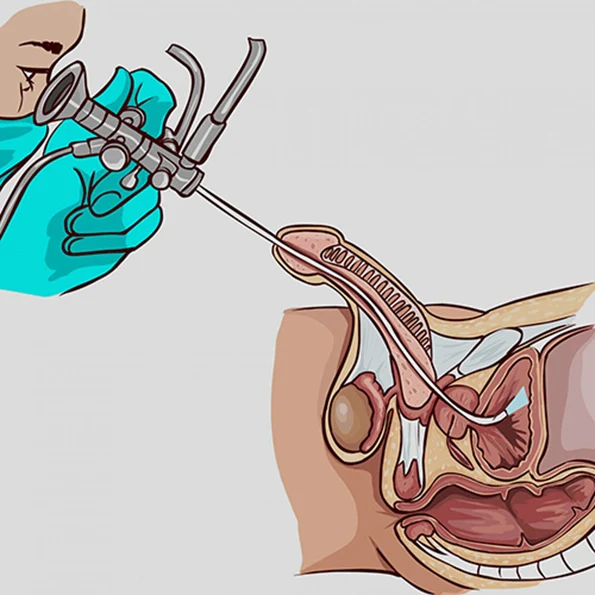
1. Surgery Overview
Cystoscopy is a diagnostic and sometimes therapeutic procedure used to examine the inside of the bladder and urethra. A thin, flexible or rigid tube called a cystoscope, equipped with a camera and light, is inserted through the urethra into the bladder. It helps diagnose conditions such as urinary tract infections, bladder stones, tumors, or causes of blood in the urine. It can also be used for minor treatments like stone removal or biopsy.
2. Type of Anesthesia
For flexible cystoscopy (usually outpatient), local anesthesia (gel) is commonly used.
For rigid cystoscopy or when additional procedures are performed, regional or general anesthesia may be required.
3. Possible Risks and Complications
Mild burning sensation during urination
Blood in the urine
Urinary tract infection (UTI)
Difficulty urinating or temporary urinary retention
Injury to the urethra or bladder (rare)
4. Hospital Stay Duration
Cystoscopy is usually an outpatient procedure. Patients typically go home the same day, unless additional surgical intervention is performed.
5. Important Post-Operative Care
Drink plenty of fluids to flush the bladder and reduce irritation
Take prescribed antibiotics if given, to prevent infection
Avoid strenuous activities for 24–48 hours
Monitor for signs of infection: fever, chills, persistent pain, or cloudy/foul-smelling urine
Mild discomfort is common, but report severe or prolonged symptoms to your doctor.