
1. Procedure Overview
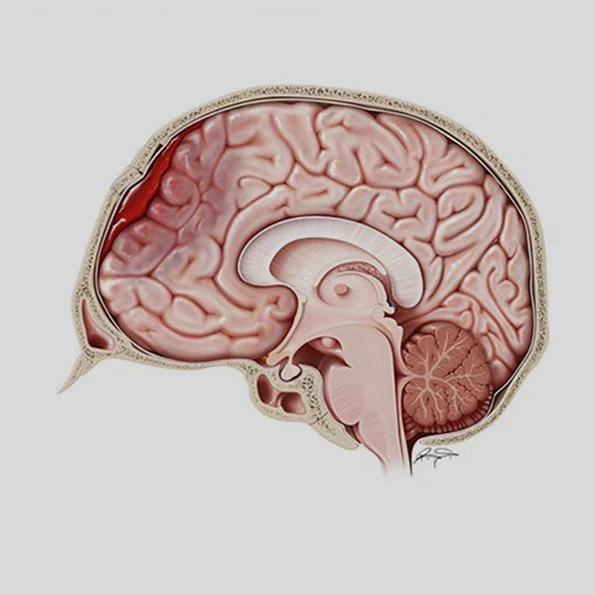
Brain hematoma drainage is a surgical procedure used to remove a collection of blood (hematoma) from within or around the brain. Hematomas can result from trauma, ruptured blood vessels, or surgery, and may cause increased intracranial pressure, brain tissue compression, and neurological deficits.
There are different methods depending on the type and location of the hematoma:
Burr Hole Drainage: Small holes are drilled into the skull to drain the blood, commonly used for subdural hematomas.
Craniotomy: A larger section of the skull is temporarily removed to evacuate deeper or larger hematomas.
Minimally Invasive Catheter Drainage: In selected cases, catheters are inserted to drain the hematoma with or without image guidance.
The goal is to relieve pressure on the brain and prevent further damage.
2. Type of Anesthesia
The procedure is generally performed under general anesthesia, though in some cases with smaller hematomas or in critical patients, local anesthesia with sedation may be used.
3. Possible Risks and Complications
Bleeding or reaccumulation of the hematoma
Infection (e.g., meningitis, abscess)
Brain swelling
Seizures
Neurological deficits (depending on the location of the hematoma)
Anesthesia-related complications
4. Hospital Stay Duration
Hospitalization usually lasts 3 to 10 days, depending on the size and location of the hematoma, the patient’s condition, and recovery progress.
5. Important Post-Operative Care
Monitoring neurological status closely
Head elevation to reduce brain pressure
Administration of medications to control swelling and prevent seizures
Imaging follow-up (CT or MRI) to assess the outcome
Gradual return to normal activities, guided by the healthcare team
In some cases, physical or occupational therapy may be required