
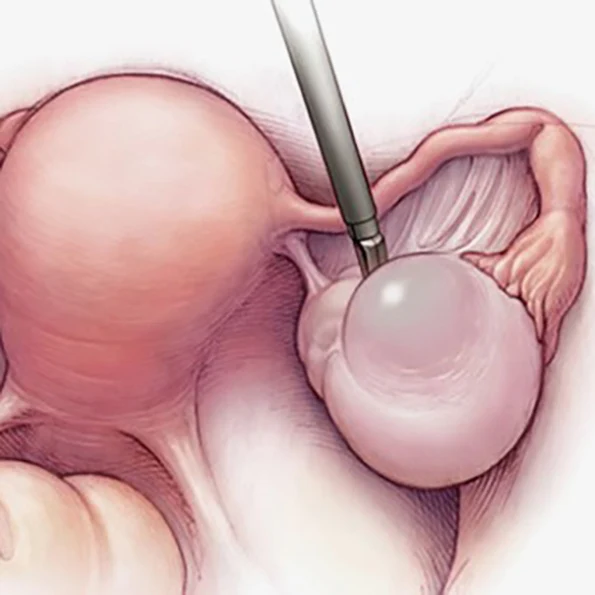
1. Surgery Overview
Ovary cyst surgery is performed to remove ovarian cysts, which are fluid-filled sacs that can form on the ovaries. While many cysts are benign and resolve on their own, surgery is necessary if the cyst is large, causes pain, or raises concerns about cancer. The surgery can be performed using laparoscopic (minimally invasive) techniques or via an open procedure, depending on the size and complexity of the cyst. Laparoscopy is the preferred method due to quicker recovery and minimal scarring.
2. Type of Anesthesia
Ovary cyst surgery is typically performed under general anesthesia, ensuring that the patient is fully asleep and pain-free during the procedure. In the case of laparoscopic surgery, regional anesthesia (epidural or spinal) may sometimes be used, but general anesthesia remains the most common option.
3. Possible Risks and Complications
Infection
Bleeding
Injury to surrounding organs (bladder, bowel, or uterus)
Ovarian damage or loss of the ovary (in rare cases)
Scar tissue formation (adhesions)
Risk of recurrence of cysts (depending on the type of cyst and surgical approach)
Anesthesia-related complications
Pain or discomfort during recovery
Hormonal imbalances, particularly if the ovary is removed
4. Hospital Stay Duration
Laparoscopic surgery: Typically requires a short hospital stay of 1 day or may even be done as an outpatient procedure with the patient going home the same day.
Open surgery: May require a hospital stay of 1 to 3 days, depending on the extent of the procedure and the patient’s recovery.
5. Important Post-Operative Care
Rest and avoid heavy lifting, strenuous activities, or sexual activity for 4 to 6 weeks to allow proper healing
Take prescribed pain medications and antibiotics as directed
Monitor for signs of infection (fever, increased pain, or unusual discharge)
Keep the surgical site clean and dry to prevent infection
Gradually return to normal activities after receiving clearance from your surgeon
Follow-up appointments are essential to ensure proper healing and monitor for any recurrence of cysts