
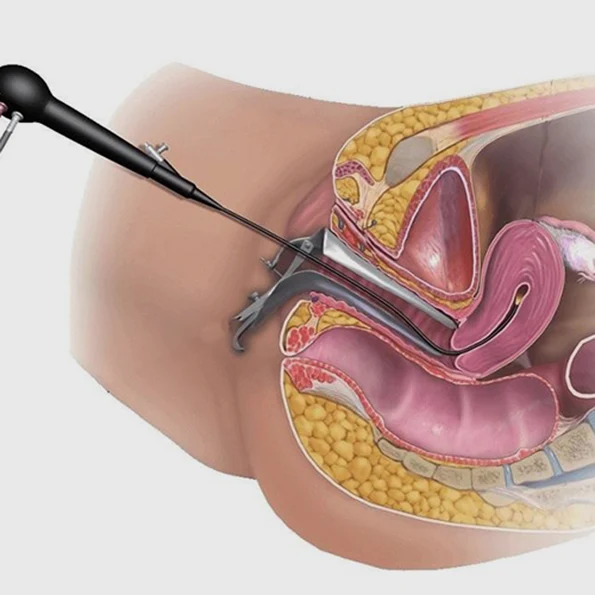
1. Surgery Overview
Hysteroscopy is a minimally invasive procedure used to examine the inside of the uterus. It involves inserting a thin, lighted instrument called a hysteroscope through the cervix to view the uterine cavity. Hysteroscopy can be diagnostic (to investigate causes of abnormal bleeding, infertility, or recurrent miscarriages) or operative (to treat conditions like uterine fibroids, polyps, or septum). The procedure is often performed as an outpatient procedure, allowing for quick recovery.
2. Type of Anesthesia
Hysteroscopy is typically performed under local anesthesia, which numbs the cervix and uterus while the patient remains awake but relaxed. In some cases, general anesthesia or sedation may be used, particularly for operative hysteroscopy or if the patient prefers to be asleep during the procedure.
3. Possible Risks and Complications
Infection
Bleeding (usually light but can be heavier in certain cases)
Injury to the uterus, cervix, or surrounding organs (bladder, bowel)
Uterine perforation (rare)
Formation of scar tissue (adhesions)
Fluid overload (if too much fluid is used during the procedure, rare in operative hysteroscopy)
Emotional discomfort or distress in case of abnormal findings
Risk of complications related to anesthesia
4. Hospital Stay Duration
Hysteroscopy is typically performed as an outpatient procedure, and most patients can return home the same day.
If complications arise or if more extensive procedures are performed, a brief stay in the hospital (1 day) may be necessary.
5. Important Post-Operative Care
Light bleeding or spotting is common for a few days after the procedure
Avoid sexual intercourse, the use of tampons, or douching for at least 1 to 2 weeks
Take prescribed pain medications as needed to manage mild cramping or discomfort
Monitor for signs of infection, such as fever, unusual discharge, or foul odor
Gradually return to normal activities after receiving clearance from your doctor
Follow-up appointments are important to ensure proper healing and to monitor for any complications or recurrence of the condition