
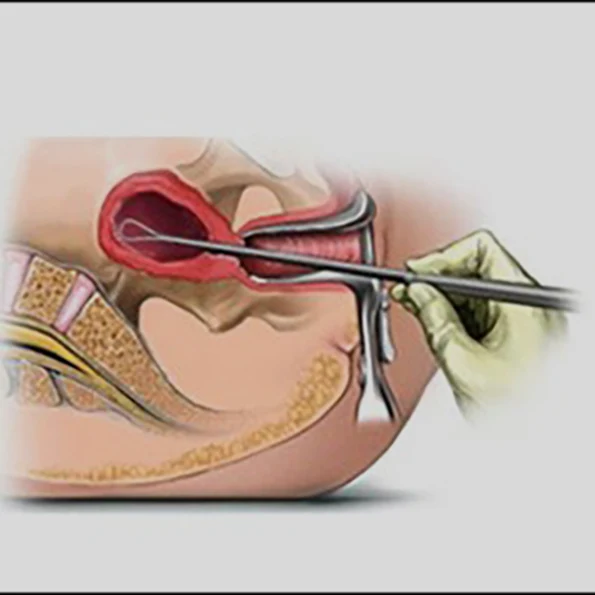
1. Surgery Overview
Diagnosis curettage (D&C) is a surgical procedure in which the lining of the uterus is scraped or suctioned to remove abnormal tissue. It is commonly performed to diagnose or treat conditions such as abnormal uterine bleeding, miscarriage, or to obtain tissue samples for further testing (biopsy). The procedure can be performed to clear the uterus after a miscarriage or to treat other uterine conditions such as polyps, fibroids, or endometrial hyperplasia.
2. Type of Anesthesia
D&C is typically performed under general anesthesia, ensuring the patient is fully asleep and pain-free during the procedure. In some cases, local anesthesia with sedation may be used, especially for less invasive procedures or if the patient prefers a less intensive approach.
3. Possible Risks and Complications
Infection
Bleeding (which may require additional intervention if excessive)
Injury to the uterus or surrounding organs (bladder or bowel)
Perforation of the uterus (rare)
Scar tissue formation (Asherman’s syndrome)
Hormonal changes or irregular periods (if the procedure affects the uterine lining)
Emotional or psychological effects if the procedure is related to miscarriage
Risks related to anesthesia
4. Hospital Stay Duration
D&C is usually performed as an outpatient procedure, meaning the patient can typically go home the same day after the procedure.
In rare cases, if complications arise or if the patient needs additional monitoring, an overnight stay may be required.
5. Important Post-Operative Care
Rest and avoid strenuous activities or heavy lifting for a few days to allow the body to recover
Monitor for signs of infection (fever, unusual vaginal discharge, or foul odor)
Light bleeding or spotting is common for a few days following the procedure
Avoid sexual intercourse or the use of tampons for at least 1 to 2 weeks, or as advised by your doctor
Take prescribed medications (such as antibiotics or pain relievers) as directed
Follow-up appointments are important to monitor recovery and ensure no complications arise
Seek medical attention if you experience severe pain, heavy bleeding, or signs of infection.