
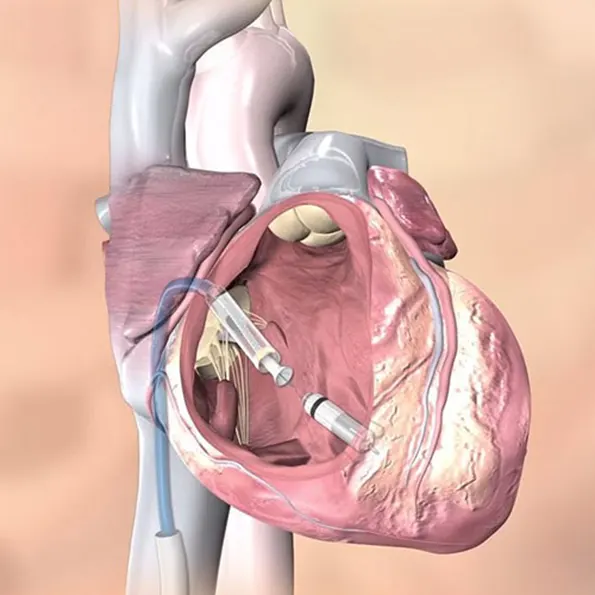
1. Surgery Overview
Permanent pacemaker insertion is a procedure used to treat abnormal heart rhythms (arrhythmias), such as bradycardia (slow heart rate). A pacemaker is a small electronic device implanted under the skin near the collarbone. It sends electrical impulses to help the heart beat at a normal rate. The device consists of a pulse generator and one or more leads (wires) that connect the device to the heart. This procedure improves heart function and helps prevent symptoms like dizziness, fatigue, or fainting.
2. Type of Anesthesia
The procedure is usually done under local anesthesia with mild sedation. The area where the pacemaker is implanted is numbed, and the patient remains awake but relaxed.
3. Possible Risks and Complications
Infection at the implant site
Bleeding or bruising
Swelling or pain at the site of implantation
Lead displacement (movement of the wires)
Pneumothorax (air leak in the lungs)
Damage to blood vessels or heart tissue
Allergic reaction to anesthesia or materials
Malfunction of the pacemaker (rare)
Need for future replacement or adjustment
4. Hospital Stay Duration
Most patients stay in the hospital for 1 day after the procedure for observation.
In some cases, especially if the patient has other medical conditions, a longer stay may be needed.
5. Important Post-Operative Care
Keep the incision site clean and dry; follow wound care instructions
Avoid heavy lifting, vigorous arm movements, or raising the arm above shoulder level on the side of the pacemaker for several weeks
Monitor for signs of infection (redness, swelling, fever) or device malfunction (dizziness, palpitations)
Follow up regularly with your cardiologist to check the pacemaker function
Carry a pacemaker ID card and inform other healthcare providers about the device
Avoid close and prolonged exposure to strong magnetic or electrical fields
The pacemaker battery typically lasts 7–15 years and will need replacement when low.